To import furniture to Canada from Türkiye, you pay the regular most-favoured-nation (MFN) duty plus GST or HST, label the fabric content of upholstered coverings under the federal Textile Labelling Act, and file through CBSA as a registered commercial importer. Canada has no trade agreement with Türkiye, but it also has none of the extra US measures, which keeps the whole range open, mattresses included.
This guide comes from ellda mobilya, a Kayseri, Türkiye manufacturer of sofa sets, corner sofas, bed base sets and mattresses since 2010. Canadian retailers and importers ask us how their rules compare with the US ones they read about. We answer from the factory side and point to the official Canadian pages; your customs broker remains the one who signs off on classification and value.
Canada and the US are not the same import market
Many articles on North American furniture sourcing describe the US rules and assume Canada works alike. It does not. As of our check on 19 October 2026:
- No Section 232-type duty. Canada has no equivalent of the US timber tariff on upholstered wooden seating.
- No trade remedy on Turkish furniture. CBSA's anti-dumping measures on upholstered domestic seating and on mattresses apply to goods from China (and, for seating, Vietnam), not Türkiye. Check the CBSA "measures in force" pages again before each order, because new cases can be opened.
- Labelling is federal, not provincial. The old provincial law tags are gone (see the table below).
If you also buy for US stores, our separate guide on importing furniture from Turkey to the USA covers that market's tariff layers and flammability label.
How much duty will you pay? MFN rates and no FTA
Canada has free trade agreements with the EU, the UK, the CPTPP members, the US and Mexico and several others, but Global Affairs Canada's list has no agreement with Türkiye. Turkish-origin goods therefore enter at the MFN rate in the Canadian Customs Tariff, which CBSA republishes each January; the 2026 edition is the one in force. Online calculators sometimes apply a preferential rate to Turkish goods by mistake, so read the rate from the CBSA tariff for your exact tariff item.
Seating with an upholstered wooden frame usually falls under heading 9401, mattresses under 9404, and a storage bed base may sit under 9403 or 9404 depending on its construction. Ask your broker to classify each catalogue piece before you compare quotes from different countries, because a European competitor's quote may enter duty-free under CETA while ours does not.
Value for duty and GST or HST
Duty is charged on the value for duty, and GST (or HST in harmonised provinces) is then charged on the value for duty plus the duty. Canada's valuation rules start from the price paid for export to Canada; your broker will confirm the valuation basis and which freight and insurance costs are included or excluded. Keep the quote, invoice and freight invoice separate and clear, since that makes the broker's job straightforward.
Setting up as a commercial importer in Canada
CBSA's step-by-step guide to importing commercial goods is the official starting point. In practice, a first-time importer needs:
- A Business Number from the Canada Revenue Agency with an import-export program account.
- Registration in CARM, the CBSA Assessment and Revenue Management portal, where duties and taxes are accounted for.
- A licensed customs broker, or the in-house knowledge to classify, value and declare goods yourself.
- A release and accounting plan: how the goods are reported at the port of entry and how duties are paid.
Furniture from Türkiye usually reaches Canada by ocean container to a Canadian port, or through a US port with onward transport in bond. Your forwarder will advise which route fits your warehouse; the route also decides which country's rules apply to the container while it is in transit.
Labelling: the Textile Labelling Act
Under the federal Textile Labelling Act and its regulations, the outer covering of upholstered furniture needs a fibre content label before it is imported, sold or advertised in Canada. The Competition Bureau's guide to stuffed and filled articles sets out what goes on the label:
- the fibre content of the outer covering, by generic fibre name and percentage;
- English and French text;
- the dealer identity, either a CA number or the dealer's name and postal address.
For upholstered furniture, the filling only has to be disclosed if a claim is made about it. Bedding and other stuffed articles follow broader filling rules, so check the guide for mattresses.
Tell us in the enquiry that the goods are for Canada and who the Canadian dealer on the label will be. Fabric composition is confirmed per order, so the label content is settled before production rather than at the port.
Provincial law tags: what changed between 2019 and 2021
Canadian buyers with long experience will remember the provincial "law tag" for upholstered and stuffed articles, with registration numbers in Ontario, Manitoba and Quebec. All three regimes have been repealed:
| Province | Former rule | Repealed |
|---|---|---|
| Ontario | O. Reg. 218/01, Upholstered and Stuffed Articles | 1 July 2019 |
| Manitoba | Bedding and Other Upholstered or Stuffed Articles Regulation | 1 January 2020 |
| Quebec | Upholstering materials and upholstered articles regime | 9 December 2021 |
The Quebec ministry notes that federal consumer product safety law, the Textile Labelling Act and Quebec's consumer protection law still apply. So the provincial registration has gone, but the federal label and general safety duties remain.
Mattresses and bed bases for Canadian stores
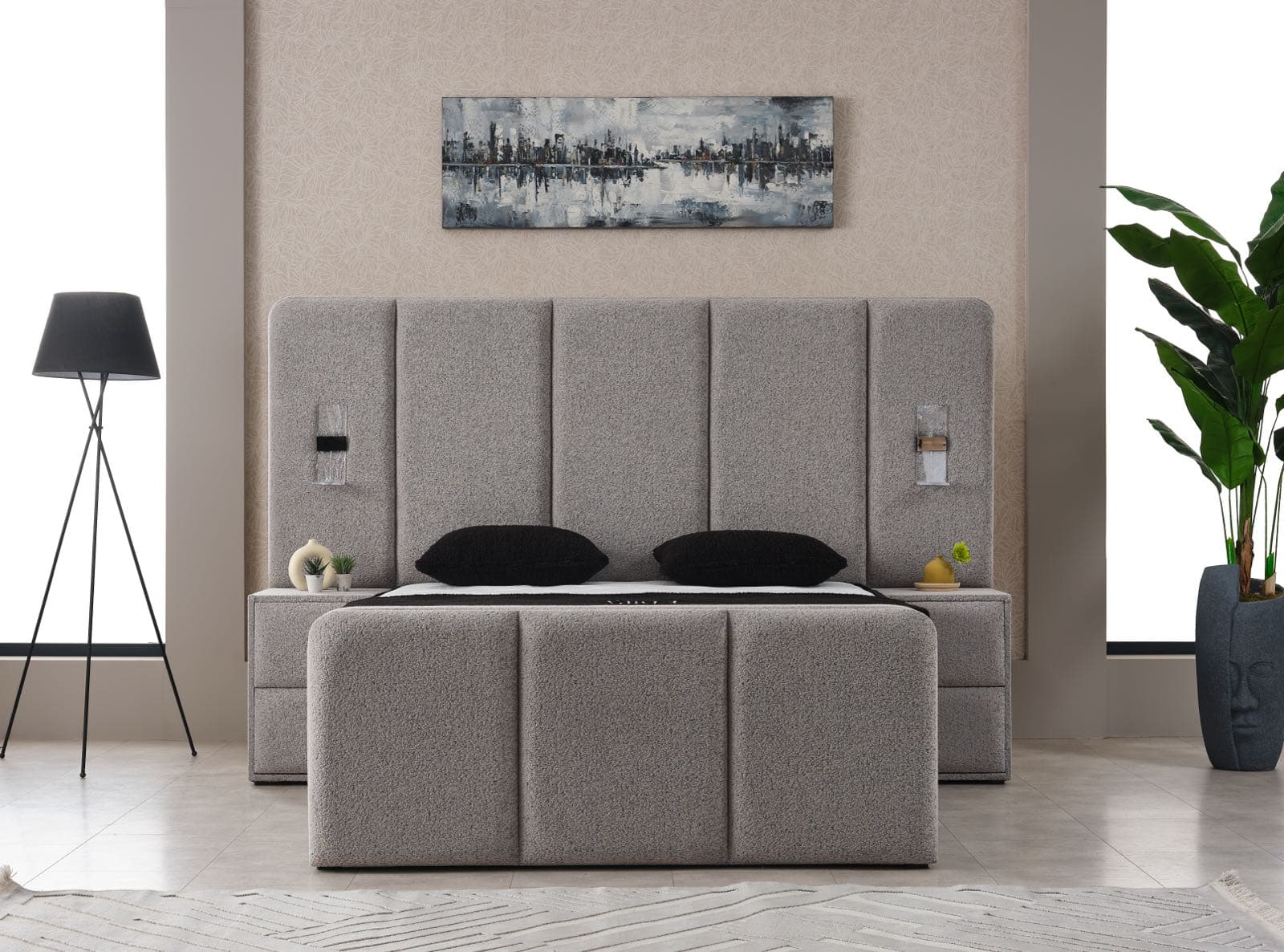
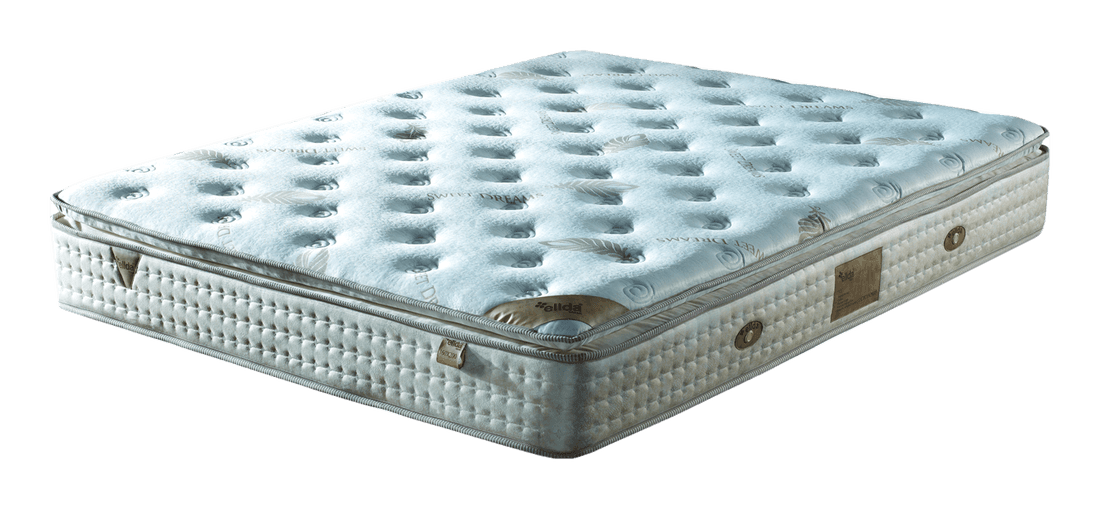
Because no Canadian trade remedy currently covers Turkish mattresses, a Canadian importer can plan mattresses together with bed base sets in one load. Our bases are made for metric 160 × 200, 180 × 200 and 90 × 200 cm mattresses. Canadian stores mostly sell inch-based Queen and King bedding, so decide early whether you will sell matched metric sets or need a different size, and say so in the enquiry.
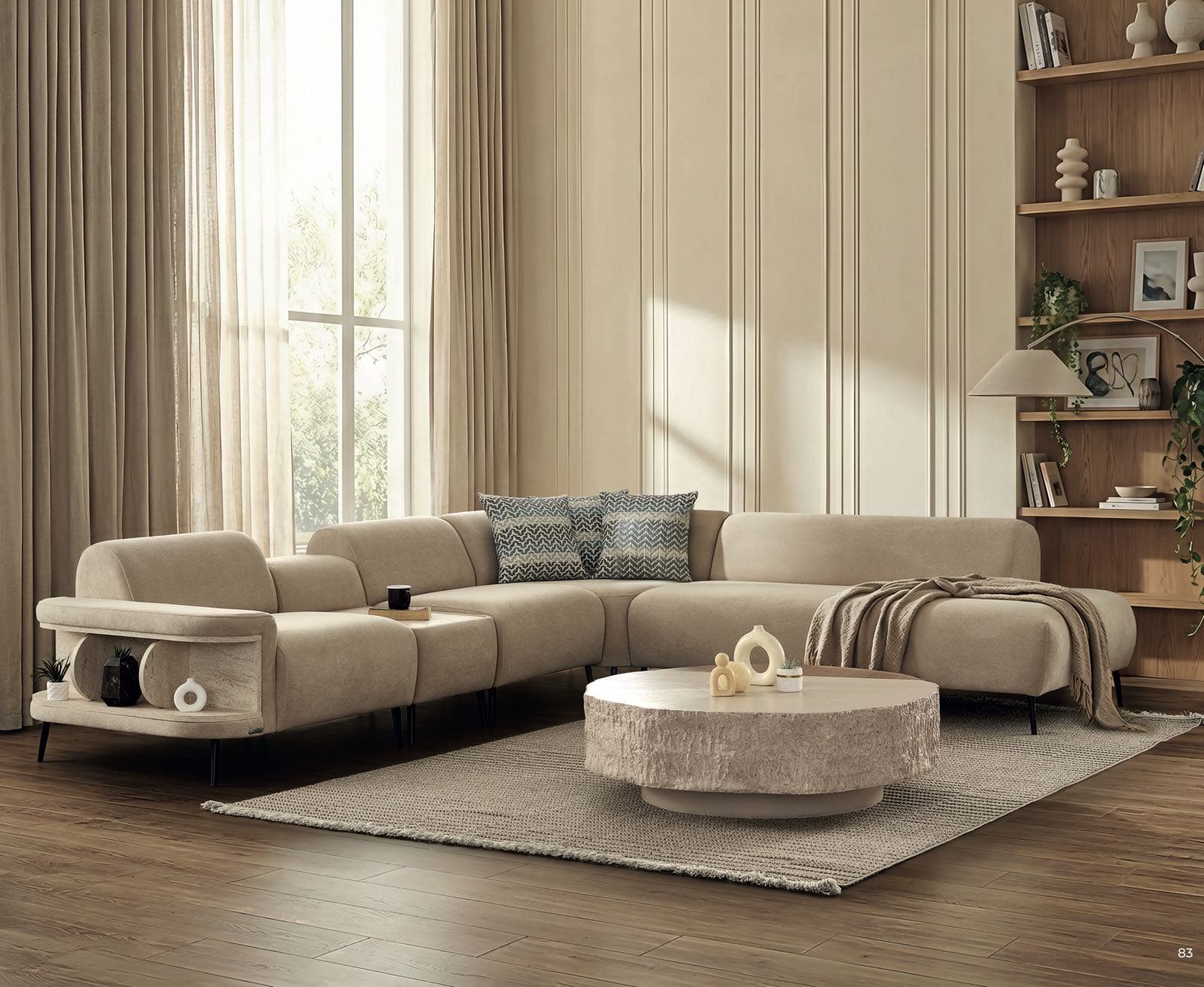
Suppose a retailer in Ontario wants to test the category with one container: a few corner sofas such as the Mila corner sofa (305 × 268 cm), two or three bed base models and matching mattresses. A mixed load like this spreads freight across several product groups, which matters on a long ocean route where upholstered goods fill the container by volume.
Checklist before you send a Canadian enquiry
- Province and delivery city, plus port of entry if you already have a forwarder
- Business Number and CARM status (or your broker's name)
- Catalogue model names, pieces and quantities
- Fabric and colour, and the dealer name or CA number for the textile label
- Bed size format: metric sets or another size
- Preferred delivery term and target arrival month
How ellda mobilya handles Canadian orders
Our factory in Kayseri Organized Industrial Zone has a 10,500 m² production area and makes all four product groups, so seating and bedding can share a shipment. Export orders are packed for long-distance transport, and the loading plan is shared with the quote. You can read about our production process or visit by appointment.
Price, minimum quantities, lead time and delivery terms are stated in the quote, together with what can be supplied for the textile label and any other requirement you list. We reply in English, Arabic or Turkish.
Next step
Ask your broker for the MFN rate on the tariff items you plan to buy, then send your shortlist and the checklist above through our export page. The general sourcing steps are in our guide to importing furniture from Turkey.